
Key changes to Microsoft 365 for 2026: impact on licensing, pricing, and service continuity

Microsoft has announced several key changes to Microsoft 365 that will directly impact subscription lifecycle management. These changes also affect cloud governance—especially how organizations administer renewals, licenses, and service continuity. In addition, they will modify budget planning and the architecture of collaboration services. These updates require anticipation, internal process reviews, and an adoption strategy aligned with Microsoft’s upcoming moves. Below, we review the four major changes announced by Microsoft and examine their technical and operational impact.
End of the free grace period for non‑renewed subscriptions
Beginning May 4, Microsoft will eliminate the additional one‑month grace period granted to soon‑expiring subscriptions. Until now, customers could continue using the service for an extra month while managing the renewal or cancellation process.
After expiration, administrators will need to explicitly choose between three different options:
- Renew (monthly or annual)
- Cancel upon expiration (immediate service interruption)
- Move the subscription to an Extended Service Term (EST)
The Extended Service Term (EST) keeps the service active but at a higher cost:
- +3% on the monthly price if the SKU has a monthly plan
- +23% if no monthly plan exists for that SKU
Price reduction for Microsoft cloud services
We already explained this change in our article about Microsoft’s commercial cloud price adjustments.
Since February 1, there has been a currency‑based price update, resulting in lower prices for Microsoft cloud services under CSP in the Commercial, Education, and Nonprofit segments. Only customers who have purchased or renewed licenses from that date onward benefit from the new pricing. Existing contracts maintain their previous pricing until their next renewal.
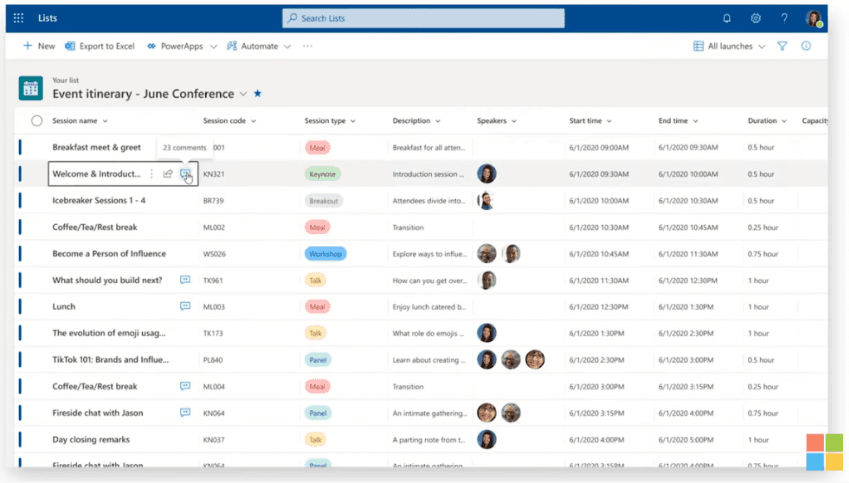
This adjustment brings global pricing consistency, eliminates differences between markets, improves budget management, and offers greater flexibility when adjusting plans.
Retirement of standalone SharePoint Online and OneDrive plans
Microsoft is beginning the phased retirement of standalone SharePoint Online P1/P2 and OneDrive for Business P1/P2 plans.
The retirement timeline is as follows:
- June 2026 → These products will no longer be available for new purchases. Only existing customers will be able to renew.
- January 2027 → End of life; renewals will no longer be allowed. Active contracts remain valid until expiration.
- December 2029 → End of service and full retirement. All customers must migrate to Microsoft 365 or equivalent alternatives before this date.
This change accelerates the transition to full Microsoft 365 suites and forces organizations to revisit their cloud‑storage strategy. It also requires early migration planning to ensure service continuity and avoid operational risks.
Price increases in Microsoft 365
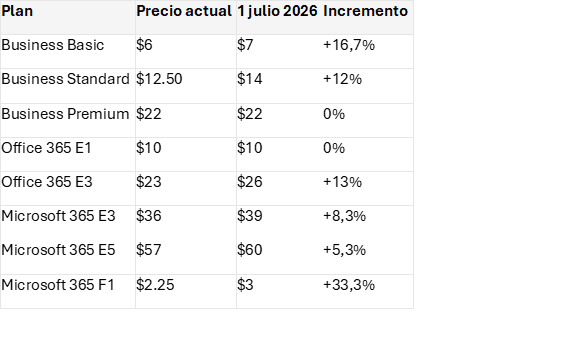
Starting July 1, 2026, Microsoft will update the prices of several Microsoft 365 suites to reflect new capabilities in security, management, and artificial intelligence. This change affects both commercial and nonprofit subscriptions.
The update is part of a broader package of enhancements that includes advanced security features, expanded management capabilities via Intune, and new Copilot functionalities. For this reason, organizations should review renewal scenarios between May and June to optimize budget planning.
Conclusion
The changes introduced by Microsoft in 2026 require a careful review of licensing, service continuity, and cloud collaboration strategy. Anticipating these updates helps reduce risks, optimize costs, and ensure that the digital environment evolves in alignment with organizational needs.
At Itequia, we support you in analyzing and adopting these updates—helping you plan migrations, adjust processes, and strengthen the governance of your Microsoft 365 environment. If you want to prepare your organization for this new stage, contact us—we’ll be happy to help.