
Microsoft Fabric: Recent Updates and Notable Improvements
Microsoft Fabric continues to lead the digital transformation with innovations that optimize data analysis and facilitate collaboration. The latest updates improve real-time performance. Additionally, they simplify workflows and enhance the user experience. Here are the most notable advancements.
Key Advancements
1. Copilot: Your AI Assistant in Dataflows Gen2 and Data Warehouse
With deeper integration, the AI assistant Copilot boosts the productivity of Microsoft Fabric. In Dataflows Gen2, users can now create ETL processes using natural language, eliminating the need for advanced technical knowledge. This advancement allows analysts to design workflows quickly and efficiently, significantly speeding up development times.
In Data Warehouse, Copilot (in preview) revolutionizes the generation and debugging of SQL queries. Now, you can ask Copilot to explain, adjust, and optimize complex queries, which is essential for teams managing large volumes of data in sectors like finance and retail. This functionality not only increases productivity but also fosters effective collaboration between teams.
2. Improvements in Power BI and Direct Lake Mode
Power BI, the most popular data analysis tool, has received significant improvements. Direct Lake Mode allows datasets to be connected directly from Lakehouses, eliminating the need for manual updates and reducing latency. This facilitates the creation of real-time reports on always-updated data, improving decision-making.
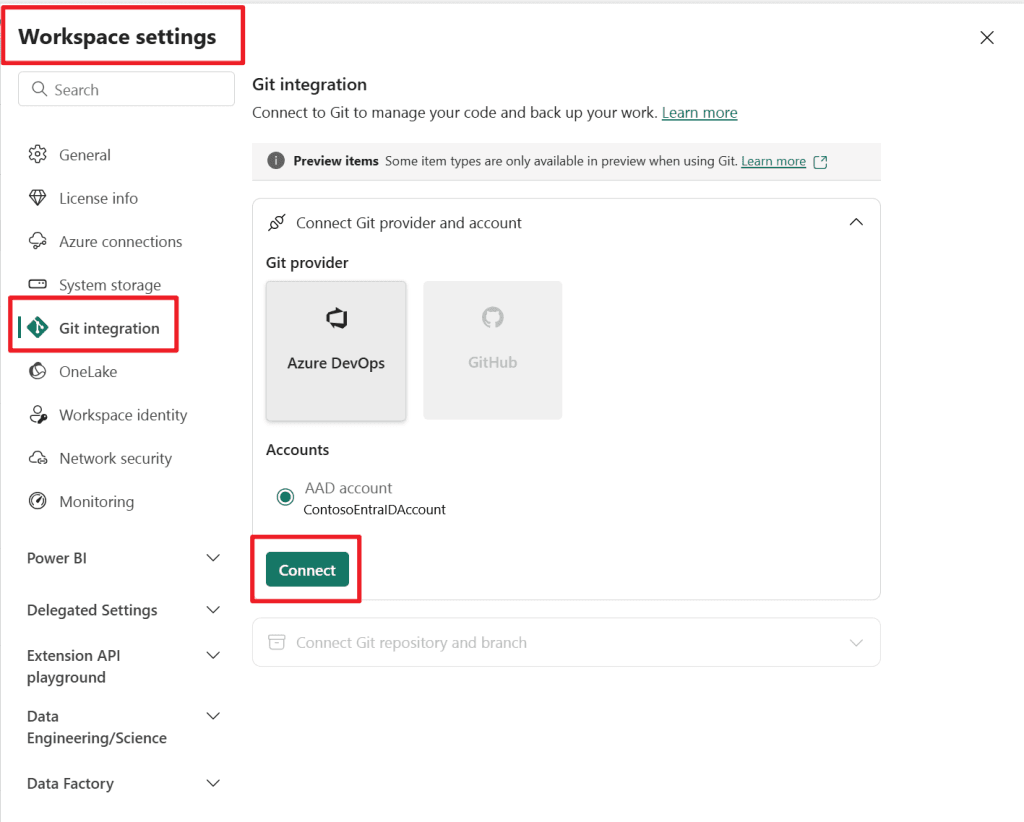
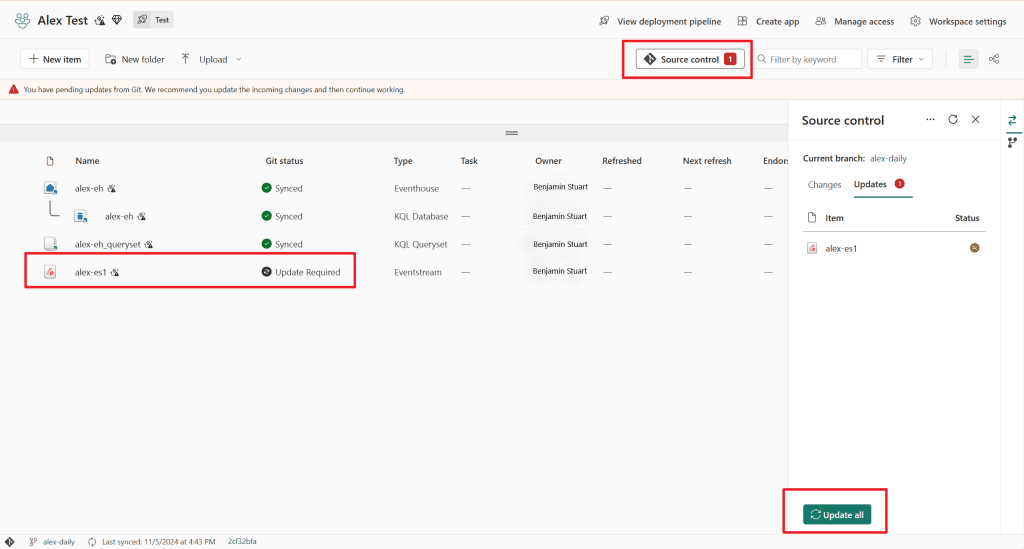
Additionally, integration with Git enhances collaboration among development teams. CI/CD workflows allow teams to work simultaneously, ensuring controlled and documented implementation of changes. With these improvements, Power BI remains a key tool for dynamic and collaborative data analysis.
3. Redesign of the Real-Time Hub: Intuitive Interface and Enhanced Security
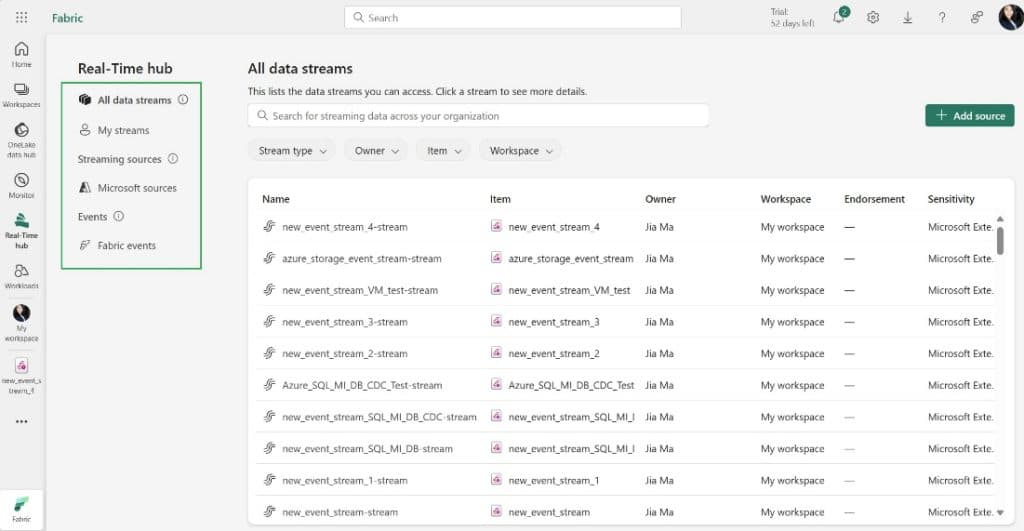
The Real-Time Hub is renewed with a more intuitive and user-friendly interface, ideal for monitoring real-time data flows from IoT sensors or business applications. Sectors like manufacturing and logistics benefit from the ease of configuring and analyzing complex flows.
Additionally, managed private endpoints are introduced, ensuring secure connections with services like Azure Event Hubs or IoT Hub, protecting sensitive data without compromising security.
The hub also incorporates new permission options, improving governance and facilitating compliance by separating access to dashboards and underlying data.
4. OneLake: Multicloud Integration and Advanced Access Management
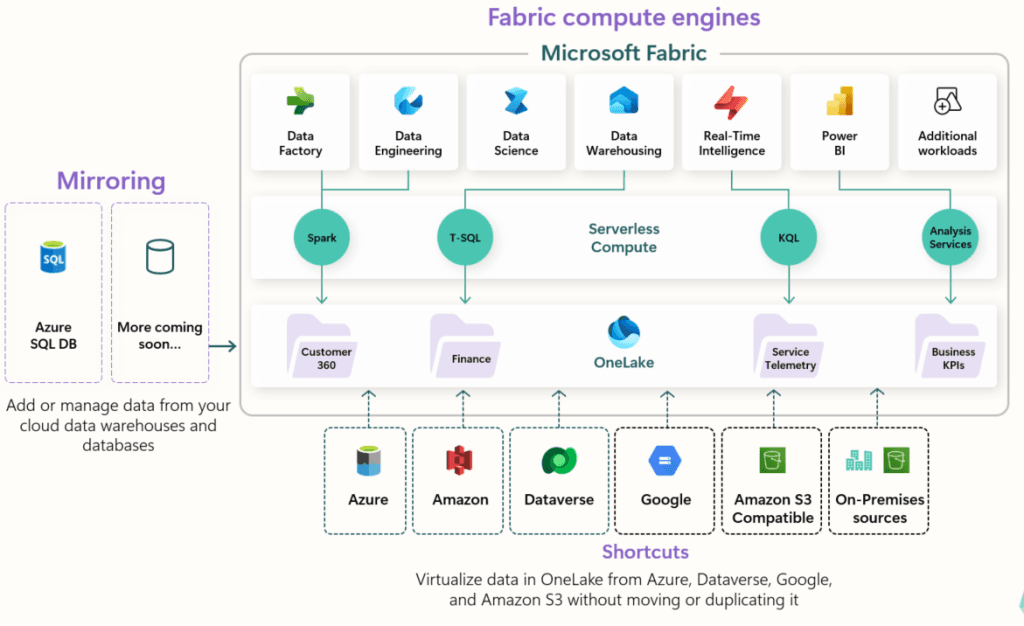
OneLake, the unified storage engine of Microsoft Fabric, now supports external platforms like Google Cloud Storage and Amazon S3, offering unprecedented interoperability between services and allowing users to access and manage data from various environments in one place.
Additionally, OneLake introduces a new access role model, allowing administrators to manage permissions on folders and datasets more efficiently, ensuring security and facilitating the management of multidisciplinary teams. These updates consolidate OneLake as an essential pillar in the architecture of Microsoft Fabric.
5. Technical Innovations: Improved Performance and Robust Governance
On a technical level, the launch of the Native Execution Engine stands out, improving the performance of queries and workflows in Apache Spark without the need to modify code. Additionally, Microsoft Fabric has expanded governance tools with the incorporation of data loss prevention (DLP) policies in Microsoft Purview for data stored in Lakehouses, ensuring compliance with privacy and security regulations.
Conclusion
Each update reinforces Microsoft Fabric‘s commitment to innovation and user experience. With more intuitive, collaborative, and secure tools, Fabric continues to position itself as the essential platform for organizations looking to modernize their data operations. A more agile and optimized future in data analysis is within your reach.
Would you like to explore how Microsoft Fabric can transform data analysis processes in your organization? Contact us to discover how our solutions can help you optimize workflows, improve collaboration, and achieve your business goals more efficiently.